
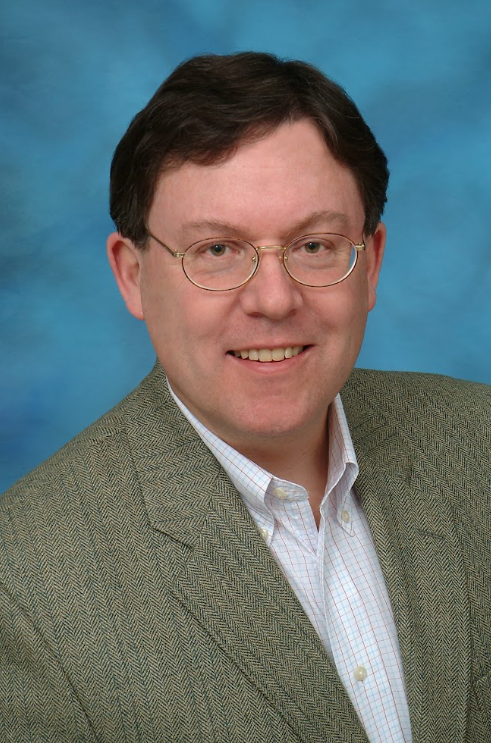
Deeply Forgetful People
Stephen G. Post, who popularized the term “deeply forgetful people,” argues that we cannot. By recognizing this fallacy, we get one step closer to truly integrating and welcoming people living with dementia—better known as deeply forgetful people—into society.
Post’s first experiences with deeply forgetful people began when he was only in high school, and have since extended into a career working with families, care partners, and fellow researchers. His work expands across several fields in addition to dementia such as positive psychology and religion, as well as subfields of dementia such as lucidity.
Listen
Watch
Resources and References
NOTE: There is a reference to the Nazi killings of people living with dementia from 27:40 to 28:20 which may be sensitive for some listeners. Please take care.
9:30 research on the importance of forgetting trauma and memories of birthing pain
10:35 Dostoevsky and Willem de Koonig
13:06 Positive psychology
14:29 Living in the Now book
15:34 Book by David Keck referencing his mother, Janet, who lived with dementia
18:02 Joseph Foley
21:53 Dalai Lama
27:43 Nazi killing of people with dementia via hypothermia
31:55 Richard Davidson, University of Wisconsin at Madison
34:17 John’s book I’m Still Here
36:43 Philosopher Jamie Nelson
About Stephen G. Post
Stephen G. Post is the Director of the Center for Medical Humanities, Compassionate Care, & Bioethics—ranked #7 in the 2025 Best Bioethics/Medical Ethics Master’s Degree Programs in the U.S. by College Factual—as well as the Head of Division of Medicine in Society in the Department of Family, Population and Preventive Medicine at the Renaissance School of Medicine at Stony Brook University in Long Island, New York. Working with families and caregivers for almost 40 years, Post wrote the first Fair Hill Guidelines, teaches courses on including deeply forgetful people in society, and has conducted community dialogue and focus groups with care partners, family members, and professionals to discuss the ethics of caring. He has partnered with the Alzheimer’s Association on various projects and is currently a member of Group of TEN, a collection of colleagues and partners revising culture and thought about deeply forgetful people.
Post attributes his interest in and philosophy regarding deeply forgetful people to a series of mentors throughout his lifetime. While in high school, he regularly played music at a nursing home and discovered that deeply forgetful people have “more than meets the eye,” including his grandmother, who experienced moments of unexpected lucidity. Two of his greatest mentors were Joseph Foley and John Templeton.
Post is the author of several books, such as:
- Dignity for Deeply Forgetful People: How Caregivers Can Meet the Challenges of Alzheimer’s Disease
- The Moral Challenge of Alzheimer Disease: Ethical Issues from Diagnosis to Dying
- Pure Unlimited Love: Science and the Seven Paths to Inner Peace
- Why Good Things Happen to Good People: How to Live a Longer, Healthier, Happier Life by the Simple Act of Giving
- God and Love on Route 80: The Hidden Mystery of Human Connectedness
He has authored over 200 articles in medical journals, namely publications such as “A tripartite taxonomy of character strengths & virtues: toward professional identity formation in medical students & physicians,” “Out of Touch,” and “Lucidity in deeply forgetful people: A national U.S. survey of caregivers’ reactions,” which was referenced in an NBC New York clip titled “Navigating the holidays with loved ones suffering from Alzheimer’s.” Post has also delivered a TEDx Stony Brook University talk titled It’s Good to be Good.
Stephen can be found on LinkedIn, Facebook, and Instagram. Check out his Institute for Pure Unlimited Love on Facebook.
Stay in the Conversation
Be the first to hear about new episodes, guest stories, and updates from Demystifying Dementia.